
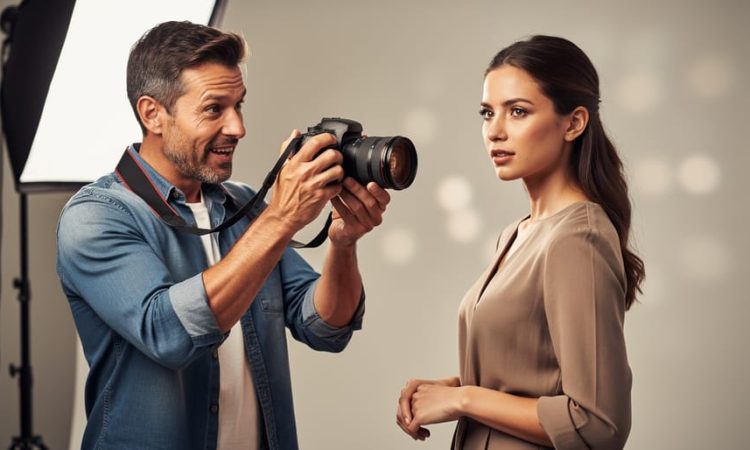
Finding and completing a portrait photography course means choosing between online platforms that offer 24/7 access and hands-on workshops that deliver real-time feedback, then verifying that the curriculum focuses specifically on portrait techniques like lighting, posing, and working with people rather than general photography theory. The best courses combine technical instruction with portfolio-building opportunities, and you’ll want to confirm your instructor has a proven track record shooting portraits professionally. In 2026, online courses start around $35 per week with flexible payment plans, while specialized workshops can run significantly higher depending on the instructor’s credentials and hands-on time.
Whether you’re learning to capture stunning estate couple portraits for your own business or simply want to elevate your creative eye, portrait photography demands a different skill set than landscape or product work. You’re not just managing camera settings; you’re directing another human being, shaping light to flatter their features, and capturing genuine emotion in a fraction of a second. That’s why choosing a course built around portraits, not general photography, makes all the difference. The right training gives you confidence to connect with subjects, troubleshoot lighting on the fly, and deliver images that feel both polished and alive.
This guide walks you through exactly how to evaluate course quality, avoid red flags, and complete your training with a portfolio you can actually use.
What You’ll Need Before Starting a Portrait Photography Course
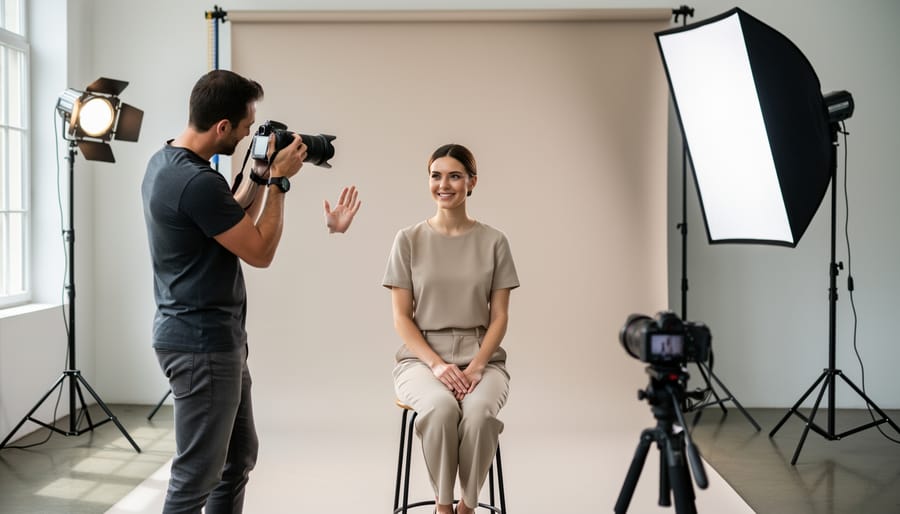
Before enrolling in a portrait photography course, you’ll need the right equipment and a baseline understanding of your camera. Start with a DSLR or mirrorless camera capable of manual control, you don’t need the latest model, but you do need the ability to adjust aperture, shutter speed, and ISO independently. A portrait lens is essential: a 50mm f/1.8 or 85mm f/1.8 prime lens will give you the shallow depth of field and flattering compression that portrait work demands, and both options are affordable entry points compared to zoom lenses.
Your technical foundation matters as much as your gear. You should understand basic exposure settings, how aperture affects background blur, how shutter speed freezes or captures motion, and how ISO impacts image noise. If you’re still learning which dial controls what, spend a week shooting in manual mode before signing up for a portrait-specific course. You’ll also need a willingness to work with live subjects, because portrait photography is about directing people, not just adjusting settings. Friends, family members, or even couples preparing for their wedding day can serve as practice subjects who’ll give you honest feedback.
For online courses like Canadian Photography School’s Portrait Photography Course, you’ll need:
- A computer or tablet with reliable internet access for streaming lessons
- 24/7 availability to course materials, allowing you to learn at your own pace
- Space to practice posing and lighting techniques with real subjects
- A budget starting as low as $35 per week with flexible payment options
The affordability and accessibility of online formats remove the barrier of rigid schedules or large upfront costs, making it easier to fit portrait training into your existing commitments while building skills that translate directly to real-world sessions.
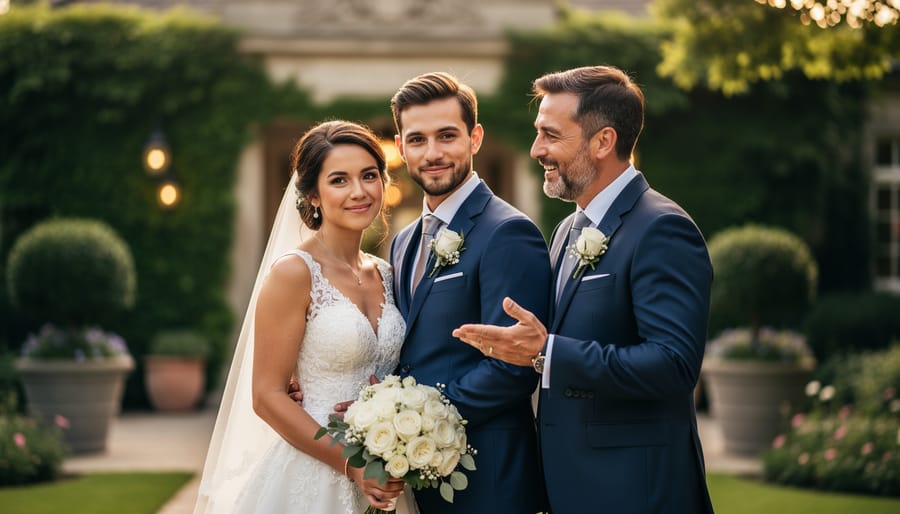
When to Skip or Delay a Portrait Photography Course
Not every portrait photography course deserves your time or money, and signing up for the wrong one can leave you frustrated with generic skills that don’t translate to real portrait work. Before you enroll, make sure you’re genuinely ready and the course is truly portrait-focused.
Skip any course if you’re still figuring out how to adjust aperture, shutter speed, and ISO on your camera. Portrait courses assume you understand exposure basics and can operate your gear without thinking about it, jumping in too early means you’ll spend mental energy on technical mechanics instead of learning how to read your subject’s personality, direct natural poses, or shape light on a face. Master your camera’s fundamentals first, then focus on portrait-specific techniques.
Delay enrollment if the instructor’s credentials aren’t transparent or verifiable. You need someone with a proven portrait portfolio and teaching experience, not vague claims about “years in the industry.” Look for instructors whose portrait work you can actually see and whose background demonstrates dedicated expertise in photographing people.
Walk away from any course promising unrealistic career outcomes without portfolio-building components. If a program guarantees you’ll “become a professional portrait photographer” after a weekend workshop but doesn’t include practical assignments, subject interaction practice, or portfolio development, it’s overselling what education alone can deliver. Real skill comes from guided practice with live subjects, constructive feedback, and building a body of work that proves your capability, not just watching videos or listening to lectures.
Step-by-Step: How to Choose and Enroll in the Right Portrait Photography Course
Step 1: Decide Between Online and In-Person Formats
Online courses like Canadian Photography School’s Portrait Photography Course give you 24/7 access to materials, letting you learn lighting techniques and posing direction at your own pace, ideal if you’re balancing a busy schedule or practicing skills for events like destination wedding portraits where you need controlled, repeatable techniques. You can revisit difficult concepts, pause to practice with real subjects, and fit lessons around your availability without committing to fixed workshop dates.
In-person workshops like PPA’s ‘Shaping Light: Mastering Beauty Dishes in Portrait Photography’ offer hands-on experience with professional equipment and immediate instructor feedback. You’ll work directly with models, see how adjustments affect results in real time, and ask questions as challenges arise. The trade-off is less flexibility: you need to travel, commit to specific dates, and complete the session within a condensed timeframe.
Choose online if you want lifetime access, gradual skill-building, and flexibility to practice between lessons. Pick in-person if you learn best through tactile experience, need face-to-face guidance, and can dedicate focused time to intensive instruction.
Step 2: Verify the Instructor’s Portrait Photography Credentials
Your instructor’s experience and portfolio matter more than their marketing copy. Start by examining their published portrait work, look for consistency in lighting, posing, and the ability to capture personality across different subjects. A strong portfolio demonstrates range: environmental portraits, studio setups, natural light work, and varied portrait styles.
Dig into teaching credentials next. Instructors with international workshop experience, like Thorsten Overgaard (a multiple award-winning photographer who teaches in more than 25 countries annually), bring exposure to diverse portrait techniques and student challenges. Look for evidence they’ve taught portrait-specific courses, not just general photography seminars.
Awards signal peer recognition, but verify they’re portrait-related. A photographer celebrated for landscape work won’t necessarily excel at directing subjects or reading human expressions. Check if they’ve won portrait competitions, been published in portrait photography journals, or hold certifications from professional portrait associations.
If the instructor’s background focuses heavily on product photography, architecture, or equipment reviews rather than working with people, that’s a red flag. Portrait photography demands interpersonal skills and psychological insight, qualities built through years of photographing individuals, couples, and families. Confirm the instructor has spent meaningful time creating portraits, not just teaching theory.
Step 3: Confirm Course Curriculum Focuses on Portrait-Specific Skills
A strong portrait photography curriculum should dedicate significant time to lighting techniques for faces, how to use natural light, continuous lights, and strobes to sculpt features and create mood. Look for modules on posing: directing hands, shoulders, and expressions to reveal personality rather than just documenting a face. The course should teach you how to communicate with subjects, build rapport quickly, and guide them through a session so portraits feel authentic, not stiff.
Beyond technical execution, verify that the curriculum addresses artistic vision, how to capture emotion, tell a story through a single frame, and create portraits that reflect your subject’s character. Courses designed to build portrait photography careers, like Canadian Photography School’s Portrait Photography Course, typically balance both sides: mastering technical control while developing your creative voice.
Avoid programs that spend most of their time on landscape composition, product styling, or camera maintenance. If the syllabus emphasizes gear reviews over working with people, or if lighting instruction focuses on still life rather than faces, it won’t serve your portrait goals. Check whether practice assignments involve real subjects and whether feedback addresses your ability to direct, connect, and create compelling portraits, not just camera settings.
Step 4: Review Pricing and Payment Flexibility
Start by listing potential courses with their total costs, not just weekly rates. An online portrait photography course might advertise $35 per week, but multiply that by the course duration to understand your full commitment, a six-month program at that rate totals around $910, while a three-month intensive reaches roughly $455. Compare this against one-time workshop fees, which typically range from $200 to $800 depending on duration and instructor reputation.
Look for transparent payment structures that break down what you’re actually paying for: curriculum depth, instructor feedback, portfolio review sessions, or lifetime access to materials. Flexible payment plans reduce upfront pressure, but verify there aren’t hidden fees for course extensions or certificate completion.
Assess value by matching cost to what you’ll gain. A course with direct instructor critique and portrait-specific lighting modules justifies higher investment better than generic photography training padded with equipment care tutorials. Calculate cost per skill learned, if the curriculum delivers ten actionable portrait techniques you’ll use immediately, a $500 course costs $50 per technique, which may outperform a cheaper option covering only basic composition.
Step 5: Check Access Details and Schedule Compatibility
Before enrolling, confirm exactly what access you’re getting and whether the course fits your timeline. For online options like Canadian Photography School’s Portrait Photography Course, check that you have 24/7 access to materials, this lets you learn during late evenings or weekends when your schedule allows, rather than racing to meet fixed deadlines. Ask whether access expires or remains available indefinitely so you can revisit lessons as you refine your portrait technique.
If you’re considering a workshop format, understand that many providers don’t publish dates months in advance. PPA’s ‘Shaping Light: Mastering Beauty Dishes in Portrait Photography’ and similar specialized sessions often announce schedules closer to the event. Contact the organizer directly if dates aren’t listed on their website, and confirm whether registration opens at specific times or fills quickly.
Match the format to your learning pace. Online courses suit photographers who need flexibility, perhaps you’re shooting engagement sessions on weekends and can only study midweek. Workshops demand fixed availability but deliver concentrated, hands-on instruction that compresses weeks of learning into a few intensive days.
How to Know You’ve Chosen the Right Course (and What to Do Next)
You’ll know you’ve chosen the right portrait photography course when the curriculum explicitly teaches lighting techniques for faces, posing methods that flatter different body types, and directing subjects to capture authentic expressions, not generic camera settings or landscape composition. A credible instructor should have a portfolio demonstrating consistent portrait work, transparent credentials (such as awards or years of teaching experience), and accessible contact information. The course format should align with how you learn best: if you need flexibility to practice between lessons, online access works; if you thrive on immediate feedback, in-person workshops deliver that. Transparent pricing with clear payment terms, whether a one-time fee or installment plans starting around $35 per week, confirms you’re dealing with a professional program, not a vague “contact us for details” arrangement.
Once enrolled, set a practice schedule that commits you to photographing real subjects at least twice weekly. Start with friends and family who’ll tolerate experimentation, then progress to couples preparing for weddings, these sessions help you apply cinematic storytelling techniques to capture personality and connection. Build a portfolio by selecting your strongest images from each session, focusing on variety in lighting conditions and subject types. Practice environmental portraits that incorporate meaningful backgrounds, and study Canadian wedding traditions to understand cultural moments worth capturing. Review your course materials after each shoot to identify gaps in your technique, then deliberately practice those weak areas in your next session. This cycle of learning, applying, reviewing, and refining transforms course theory into reliable skills you’ll use for years.
Common Questions About Portrait Photography Courses
Can I take a portrait photography course online?
Yes, online portrait photography courses give you 24/7 access to lessons and materials, letting you learn at your own pace. Canadian Photography School’s Portrait Photography Course, for example, allows you to revisit techniques and demonstrations whenever you need to practice or refine your skills.
How much does a portrait photography course cost?
Portrait photography courses start from as little as $35 per week when you choose flexible payment options. The total investment depends on the course depth and instructor access, but many online programs offer affordable payment plans that fit into most budgets.
Do I need professional equipment to start a portrait photography course?
You need a DSLR or mirrorless camera with manual settings and a portrait lens (50mm or 85mm works well), but you don’t need the most expensive gear to begin. Most courses focus on mastering light, posing, and connection with your subjects, skills that matter more than having top-tier equipment when you’re starting out.
What’s the difference between a portrait photography course and a workshop?
A course typically offers comprehensive curriculum covering both technical skills and artistic vision over weeks or months, while a workshop focuses on a specific technique in a condensed timeframe (like PPA’s ‘Shaping Light: Mastering Beauty Dishes in Portrait Photography’). Courses build foundational portrait skills; workshops refine particular aspects of your craft.
Online courses suit learners who need scheduling flexibility and want to revisit lessons as they practice with real subjects. Workshops appeal to photographers who already have basic portrait knowledge and want hands-on experience with advanced lighting setups or posing techniques under direct instructor guidance. Both formats can strengthen your ability to capture personality and emotion, the heart of portrait work, but they serve different stages of skill development.