
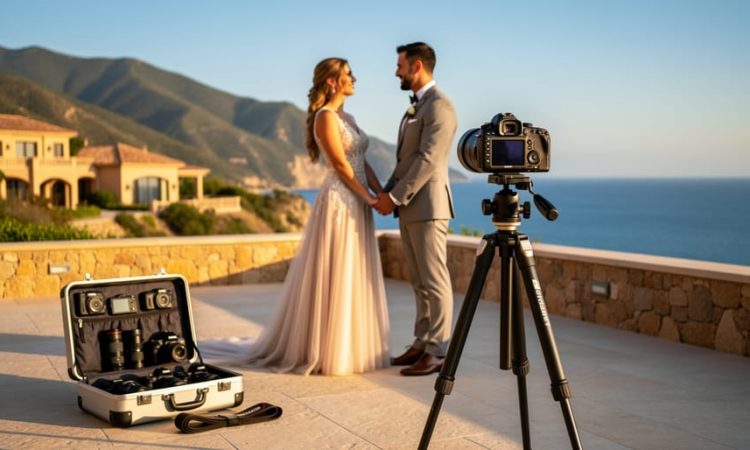
Booking destination wedding photography means securing a skilled photographer willing to travel to your chosen location, then coordinating travel logistics, timelines, and package details to ensure you receive the same quality coverage you’d expect at home. The process typically requires booking six to twelve months in advance, adding travel expenses to your photography budget, and confirming deliverables through a detailed contract that accounts for the unique challenges of shooting away from home.
The appeal is obvious. Your wedding unfolds against a backdrop most couples only dream about, whether that’s a sun-drenched villa in Tuscany, a coastal estate in Tofino, or a mountain lodge in the Rockies. But the romance of a faraway celebration brings practical questions. How do you find a photographer who understands both your vision and the logistics of traveling for work? What should you expect to pay when flights, hotels, and extra shoot days enter the equation?
Canadian wedding photographers typically charge between $1,200 and $4,500 for full-day coverage at home, with most couples investing $3,000 to $4,000 for eight to ten hours. Add destination travel, and you’re layering airfare, accommodation, meals, and sometimes additional coverage days onto that baseline. The numbers shift depending on your photographer’s location and experience level. Premium photographers in Toronto or Vancouver command $4,000 to $8,000 or more before travel costs, while emerging talent may start closer to $1,200 to $2,500.
This guide walks you through the entire journey, from vetting portfolios and assessing destination experience to negotiating travel terms and verifying final deliverables. You’ll learn how to protect your investment, communicate timelines across time zones, and ensure your photographer arrives prepared to capture every moment of your celebration, no matter how far from home it unfolds.
What You’ll Need Before Booking Your Destination Wedding Photographer

Before you start reaching out to photographers, you’ll want to have your foundational details organized. The more clarity you bring to initial conversations, the more accurate the proposals you’ll receive, and the faster you can move from browsing portfolios to booking the right fit for your celebration.
Start by confirming your wedding date and location as precisely as possible. If you’re still exploring destination location ideas that’s fine, but photographers need to know whether you’re planning a beachfront ceremony in Mexico, a vineyard in Tuscany, or a mountain lodge in the Canadian Rockies. Each setting comes with different logistics, travel requirements, and creative opportunities. Having at least a shortlist helps photographers assess whether they can realistically take on your booking.
Gather these essentials before you begin conversations:
- Confirmed or tentative wedding date and backup dates if flexible
- Venue name, address, and contact information
- Estimated guest count (affects coverage needs and photographer positioning)
- Draft timeline showing ceremony start time, reception schedule, and key moments you want captured
- Budget range specifically allocated for photography
- Travel details: destination country, nearest airport, accommodation information if already booked
- Any known visa or documentation requirements for your photographer entering that country
If your wedding is international, check whether your destination requires work permits or special paperwork for professional photographers. Some countries have strict rules about foreign vendors, and sorting this out early prevents last-minute scrambles. Your venue coordinator can usually point you toward the right information.
Budget parameters matter more than you might think at this stage. Being upfront about what you can invest lets photographers propose packages that actually work for you, rather than standard offerings you’ll need to negotiate down later. It also signals you’re serious about moving forward, which matters when photographers are fielding inquiries months in advance for limited destination dates.
Understanding Destination Wedding Photography Investment in Canada
Understanding destination wedding photography investment starts with knowing what Canadian photographers typically charge at home, then understanding how those rates adapt when travel enters the picture.
In 2026, Canadian wedding photographers charge between $1,200 and $4,500 for full-day local coverage, with most couples investing $3,000 to $4,000 for eight to ten hours. Regional differences matter: Toronto and Ottawa area photographers command $2,500 to $8,000+ depending on experience, while Vancouver-based professionals typically range from $1,000 to $7,500+. These home-market rates form the foundation of destination pricing.
When photographers travel for your wedding, expect their base rate plus travel expenses. Some photographers offer travel-inclusive packages that bundle everything into one price, covering their time, equipment, flights, accommodation, and meals. Others quote their standard rate separately from travel costs, giving you transparency but requiring coordination. Neither approach is inherently better, what matters is understanding exactly what you’re paying for and what’s considered an additional expense.
Travel-inclusive pricing simplifies budgeting but may cost more upfront. When reviewing these packages, confirm whether accommodation means shared resort rooms or separate lodging, how many travel days are covered beyond your wedding day, and whether a second shooter’s travel is included. A photographer arriving two days early to scout locations and adjust to time zones brings different value than one flying in the morning of your rehearsal.
Coverage hours work differently at destinations. Your photographer might offer shorter packages knowing you’ll have fewer formal events, or recommend longer coverage to capture welcome dinners and day-after celebrations that feel essential when everyone has traveled far. The destination wedding cost extends beyond photography alone, so clarify what your package includes and what requires additional investment.
The investment reflects not just hours behind the camera but expertise navigating unfamiliar venues, adapting to different lighting conditions, and creating images that justify your choice to marry somewhere extraordinary. You’re hiring someone whose storytelling ability travels as reliably as their equipment.
Critical Considerations Before You Book

Before you sign anything, take time to protect your investment and ensure your photographer can deliver. A few careful checks now prevent stress later.
Start with the contract. Look for clear language around what happens if flights are cancelled, weather forces schedule changes, or your photographer falls ill. The agreement should specify exactly what’s covered in your package, coverage hours, deliverables, timeline for receiving your images, and what costs extra. Never book without a written contract that addresses these destination-specific scenarios.
Examine their portfolio with a critical eye. Do they have actual destination wedding work to show you, or just local weddings? If you’re planning a tropical celebration, have they shot in similar bright, high-contrast light? Mountain weddings demand different technical skills than beach ceremonies. Generic portfolio images won’t tell you if they can handle your specific environment. If you’re gathering Sugar Beach planning tips for a Caribbean wedding, for instance, confirm your photographer has experience with intense sun and outdoor humidity.
Ask directly about insurance and backup plans. Your photographer should carry equipment insurance that covers international travel, plus backup camera bodies and lenses. What’s their contingency if their primary gear fails mid-ceremony? Do they have a local network or second shooter who can step in if needed?
Finally, verify they understand any legal requirements for your destination. Some countries require special permits for professional photography in certain locations. Your photographer should know what documentation they need to bring and whether venue restrictions apply. Red flags include vague answers about their preparation, reluctance to detail their backup equipment, or dismissing questions about travel logistics as unimportant details.
Step-by-Step: From Research to Securing Your Photographer
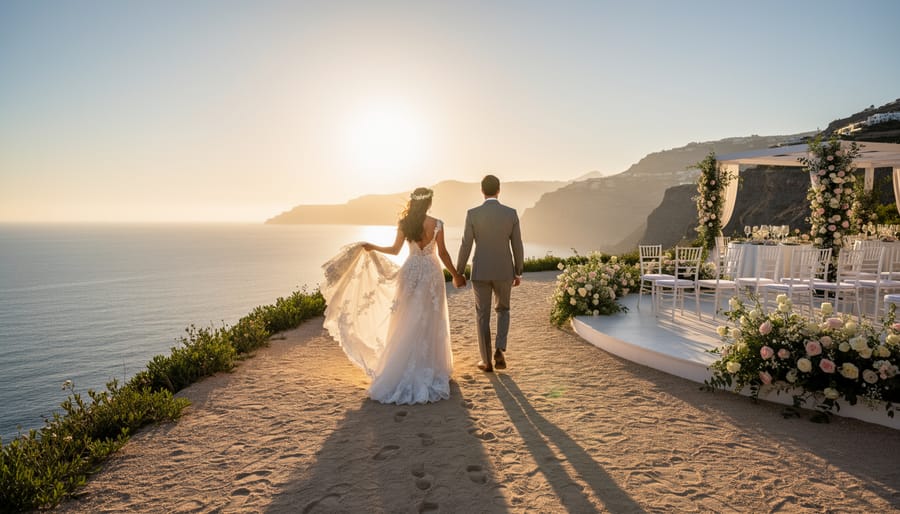
Compare Photographers’ Destination Experience and Style
Look for photographers who showcase complete wedding stories from locations similar to yours, not just a handful of exotic ceremony shots mixed into their standard portfolio. A photographer experienced with destination work will have full galleries demonstrating how they handle varying natural light, unexpected weather, and cultural settings, whether it’s a Costa Rica destination wedding on the beach or a mountain ceremony at sunset.
Ask pointed questions: How many destination weddings have you photographed in the past two years? Can I see a complete gallery from a wedding in a similar environment? How do you approach storytelling when you’re unfamiliar with the venue beforehand? Their answers reveal whether they truly understand the rhythm of travel weddings or just see them as lucrative add-ons.
Pay attention to their approach to candid moments versus staged portraits. Destination weddings often have tighter timelines and more spontaneous celebrations, so you need someone who captures emotion as it unfolds rather than relying on lengthy setup time. Look for genuine laughter, tears, and connections in their work, the in-between moments that reveal your story naturally. If their style feels cinematic and emotionally rich rather than stiffly posed, you’re likely aligned on creative vision.
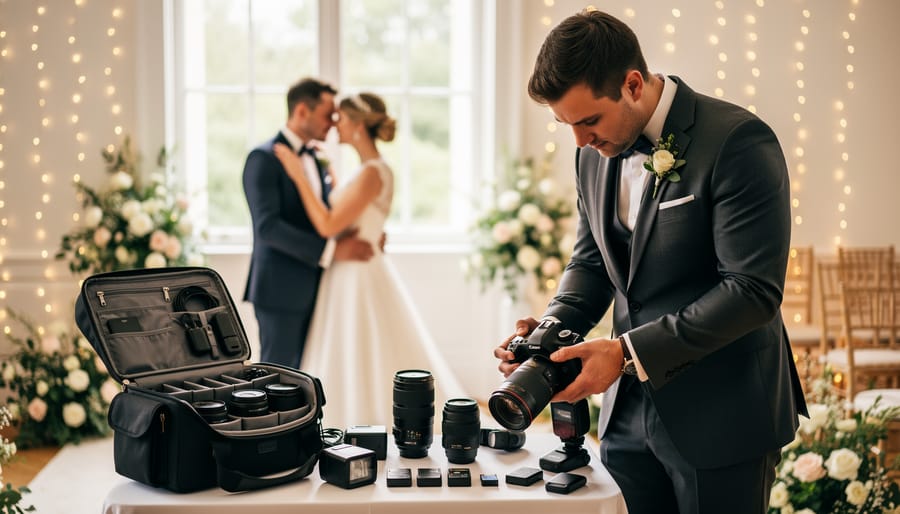
Review Coverage Packages and Deliverables
Most destination wedding photography packages bundle coverage hours with post-production deliverables, but the specifics vary significantly between photographers. Start by understanding what “hours of coverage” actually means for your timeline, standard packages offer eight to ten hours, which typically captures getting ready through first dances, but destination weddings often benefit from extended coverage to include welcome dinners or next-day beach sessions.
Deliverable counts matter more than you might think. A typical package includes 400 to 600 fully edited high-resolution images for a full-day wedding, delivered through an online gallery within six to eight weeks. Some photographers also offer video components, short highlight reels (three to five minutes) or full ceremony films, either bundled or as upgrades. If cinematic storytelling appeals to you, clarify whether your photographer collaborates with videographers or offers integrated packages.
Engagement sessions are increasingly common inclusions, giving you professional portraits before the wedding day and a chance to build rapport with your photographer. For destination work, some photographers schedule these sessions at your destination the day before your wedding, combining location scouting with couple portraits. A St. Lucia destination wedding for instance, might include beachfront engagement shots alongside the main celebration coverage.
Modern packages also reflect current documentation trends, raw file access, social media previews delivered within 48 hours, or second-shooter coverage for simultaneous ceremony angles. Request a detailed deliverables list in writing, including file formats, usage rights, and backup guarantees, so you know exactly what you’re receiving for your investment.
Clarify Travel Arrangements and Logistics
Establish clear expectations about travel logistics early in your planning process. Most photographers require couples to cover round-trip airfare, accommodation for the duration of the wedding weekend plus at least one buffer day before the event, ground transportation, and meals. Request itemized estimates for these costs during your initial consultations rather than discovering them later in negotiations.
Your photographer typically needs to arrive 24-48 hours before your wedding day to adjust to time zones, scout locations for optimal lighting, and confirm backup plans with your venue coordinator. This advance arrival time protects against travel delays and allows for a pre-wedding walkthrough that identifies the best spots for portraits and ceremony coverage.
Discuss equipment shipping or checked baggage strategies. Professional camera gear, lenses, and lighting equipment are heavy and valuable, understand whether your photographer builds shipping insurance into their package or carries everything as luggage. Some destinations have customs restrictions on professional equipment that require advance paperwork.
Coordinate venue access details directly with your photographer. Share your wedding planner’s contact information, venue restrictions on photography locations, and any permits required for beach or public spaces. Establish how you’ll communicate across time zones, whether through scheduled video calls, messaging apps, or email with expected response times. Clear communication protocols prevent last-minute confusion when you’re in different countries managing final details.
Negotiate and Finalize Your Agreement
Once you’ve found the right photographer for your destination wedding, it’s time to have an honest conversation about investment and expectations. Approach pricing discussions as a collaboration, not a negotiation battle, the best photographers want you to feel confident about your decision.
Start by understanding the total package. Beyond the base photography fee (which for established Canadian photographers often aligns with their $2,500-$4,000 local wedding range), destination work includes travel expenses, flights, accommodation, meals, and ground transportation. Some photographers bundle these into an all-inclusive rate; others bill them separately with receipts. Ask which approach they use and request a written estimate breaking down each component.
Payment schedules typically involve multiple installments over several months. Expect to discuss timing that works for both parties, though exact deposit structures vary by photographer. What matters more is that every payment milestone and its corresponding date appears clearly in your contract.
Your agreement should specify destination-specific details other couples often overlook: who books travel arrangements, advance arrival time needed, overtime rates if your celebration runs long, weather contingency plans, what happens if flights are cancelled, and image delivery timeline accounting for travel recovery time.
Don’t hesitate to ask questions about clauses you don’t understand. A professional photographer welcomes clarity, it protects both of you and sets the foundation for a relaxed, creative partnership at your celebration.
Verifying You’ve Made the Right Choice
After signing your contract, you’ll want ongoing confirmation that your photographer is genuinely prepared for the unique challenges of your destination wedding. This isn’t about micromanaging, it’s about creating the kind of partnership that lets you both show up confident and ready.
Within a few weeks of booking, expect your photographer to share a preliminary timeline proposal that reflects your destination’s specific considerations. They should ask about lighting conditions at your venue, sunset timing for that location and season, and how much travel time exists between ceremony and reception sites. If they’re asking these questions without prompting, you’re working with someone who understands destination logistics.
The backup plan conversation matters more for destination weddings than local ones. Your photographer should explain their equipment redundancy, multiple camera bodies, extra memory cards, backup batteries. They should also clarify their contingency if they fall ill or face travel disruptions. Professional photographers typically have a network of trusted colleagues, and for destination work, this often includes local professionals at popular wedding destinations who can step in if catastrophe strikes.
Key confirmation milestones help you track progress without constant check-ins:
- Six months out: Receive detailed shot list template and timeline draft reflecting your destination’s layout
- Three months out: Confirm all travel bookings are complete and review updated timeline with final vendor contacts
- One month out: Final shot list review, emergency contact protocols established, and equipment shipping plans confirmed
Schedule a video call about eight weeks before your wedding to walk through the shot list together. This conversation reveals whether your photographer truly understands your vision and your destination’s unique opportunities, maybe that clifftop overlook for golden hour portraits, or the way your venue’s architecture frames certain angles.
Communication protocols for wedding week deserve explicit discussion. Will your photographer arrive a day early to scout locations and adjust for weather? How will you reach each other if plans shift? What’s their preferred method for day-of communication, phone, text, a designated point person?
Trust your instincts throughout this process. A photographer who responds promptly, asks thoughtful questions about your specific destination, and proactively addresses potential challenges is showing you they’re genuinely invested. If you’re consistently chasing information or hearing vague reassurances instead of specific plans, those are signals to have a direct conversation about expectations before you’re standing on that beach.
Next Steps After Booking Your Destination Photographer
Signing the contract marks an exciting shift from searching to preparing. Your first priority is scheduling a detailed planning call, usually within two weeks of booking, where you’ll walk through your wedding day vision together. This conversation shapes everything that follows, so come ready to share your story, your must-have moments, and the emotional tone you want your images to capture.
Start building your shot list, but keep it collaborative rather than prescriptive. Highlight the relationships and moments that matter most, your grandmother’s expression during the ceremony, your partner’s reaction as you approach, sunset portraits with your wedding party. Your photographer will translate these priorities into a realistic timeline that accounts for your destination’s unique lighting and logistics.
If you’ve booked separate videography, introduce your photographer and videographer early. They’ll coordinate equipment positioning, timeline needs, and creative approaches so both capture your day without stepping on each other’s work. Share contact details for your planner, venue coordinator, and other key vendors too, this network ensures everyone moves in sync.
Consider scheduling an engagement session before you travel, especially if your destination is far-flung. It builds comfort in front of the camera and gives you tangible results to enjoy during the planning months. Many photographers include this as part of destination packages.
Keep communication flowing through regular check-ins as your timeline develops. Share updates about venue changes, guest count shifts, or new ideas. This ongoing dialogue transforms logistics into partnership, ensuring your photographer arrives at your destination wedding fully prepared to tell your love story with warmth and intention.
Common Questions About Destination Wedding Photography
How much more does destination wedding photography cost than a local wedding?
Destination wedding photography typically adds travel expenses, flights, accommodation, and meals, on top of the photographer’s base rate. In Canada, mid-range wedding photographers charge between $2,200 and $4,000 for full-day coverage, with premium professionals reaching $7,500 or more in major markets. For destination work, expect to cover 2-4 nights of accommodation plus airfare, which can add $1,500 to $3,000 depending on the location. Some photographers offer travel-inclusive packages that bundle everything into one rate, while others itemize travel costs separately. The investment reflects not just the wedding day itself but the photographer’s time away from their studio and the logistical complexity of working in an unfamiliar location.
How far in advance should we book our destination wedding photographer?
Book your destination photographer 12-18 months before your wedding date, especially if you’re planning during peak season or choosing a popular destination. Photographers who specialize in destination work often have limited availability since each booking requires multiple days away from their home market. This timeline gives you the best selection of photographers whose style matches your vision and ensures they can secure reasonable travel arrangements. If your wedding is less than six months away, reach out immediately, some photographers keep flexibility in their schedules for last-minute destination opportunities, particularly during shoulder seasons.
What happens if bad weather disrupts our outdoor destination ceremony?
Professional destination wedding photographers arrive with contingency plans for weather challenges and work closely with you and your venue to identify backup indoor locations or covered areas. Your photographer should scout the venue upon arrival, ideally the day before your wedding, to assess lighting conditions and alternative settings. Rain, wind, or unexpected heat can actually create dramatic, memorable images when handled by an experienced photographer who adapts quickly. Discuss weather backup plans during your booking process and ensure your photographer has experience shooting in conditions similar to your destination’s climate, tropical humidity requires different preparation than mountain altitude or desert heat.
Can we combine photography and videography services for our destination wedding?
Many couples hire both a photographer and videographer for destination weddings to capture the complete story through both mediums. If you’re working with separate professionals, confirm they’ve collaborated before or are comfortable coordinating on unfamiliar terrain, this prevents awkward overlap during key moments and ensures both get the angles they need. Some studios offer combined photo-video packages with team members who travel together, which can streamline logistics and sometimes reduce overall travel costs. The cinematic storytelling approach works beautifully when photo and video teams complement each other, capturing both the still details and the moving emotions of your celebration.
Will our photographer’s style translate to a different location?
A photographer’s core artistic vision, whether that’s candid storytelling, romantic portraiture, or documentary-style coverage, remains consistent regardless of location. What changes is how they adapt to new lighting conditions, unfamiliar architecture, and unique landscape features. Review destination work in your photographer’s portfolio specifically, not just local weddings, to see how they handle varied environments. Ask about their approach to scouting new locations and working with natural light in settings they haven’t shot before. The best destination wedding photographers bring technical adaptability while maintaining the warm, authentic storytelling that drew you to their work initially.
Your destination wedding isn’t just about the place, it’s about the story you’ll tell for years to come. While budgets, contracts, and travel logistics deserve careful attention, they’re simply the framework that allows the real magic to happen. When you find a photographer who genuinely connects with your vision, someone willing to wake up at sunrise in a foreign country to capture golden light on your face, you’ve found more than a vendor. You’ve found a creative partner for one of life’s most romantic adventures.
Trust your instincts alongside the practical checklist. The right photographer will make you feel heard during consultations, excited when reviewing their portfolio, and confident that they understand not just where you’re getting married, but why this destination matters to you. They’ll ask about your relationship, your story, the moments that make you laugh together. This personal connection translates directly into images and films that feel authentic rather than staged.
As you move forward, remember that destination wedding photography succeeds when artistic vision meets thorough preparation. Handle the details with confidence, communicate openly with your photographer about expectations, and then let yourself be present in each moment. The couple who carefully vets their photographer’s experience, secures everything in writing, and builds a genuine creative partnership walks away with something priceless, a cinematic record of their love story set against the backdrop of their dreams, captured with warmth and artistry that honors both the destination and the commitment being celebrated.