
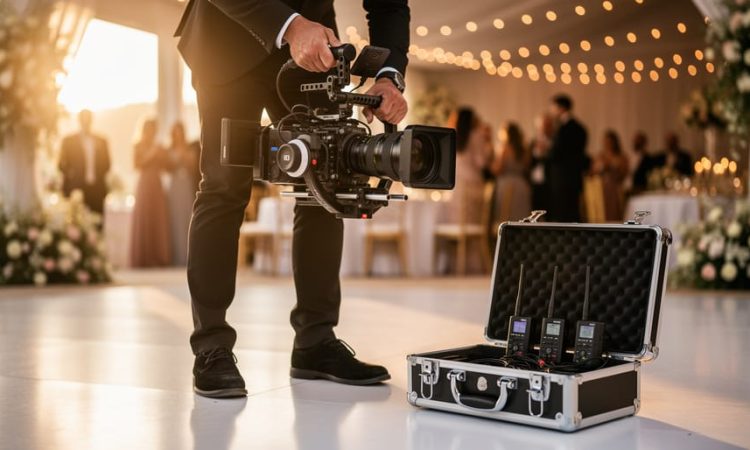
Wedding videography techniques combine cinematic storytelling with documentary-style coverage to capture authentic emotion and visual beauty throughout the ceremony, reception, and candid moments in between. The method centers on three pillars: strategic positioning and movement to anticipate key moments, mastering natural light and audio, and using a mix of static and dynamic shots that create narrative flow when edited together. Most professional wedding videographers arrive with multiple camera bodies, stabilizers, wireless audio equipment, and backup gear, planning shot lists while staying flexible enough to catch unscripted magic as it unfolds.
The craft has evolved beyond simple ceremony recordings into an art form that rivals the production value of short films. Couples now expect sweeping drone footage, slow-motion vows, and same-day highlight reels that feel like movie trailers. For videographers, that means blending technical skill with emotional intelligence, reading the room while staying invisible, and working seamlessly alongside photographers without stepping into their frames.
Whether you’re a couple trying to understand what separates exceptional videography from average coverage, or a videographer looking to refine your approach for modern weddings, the techniques that follow will walk you through the entire process. From pre-event planning and equipment setup to capturing different phases of the day and editing for maximum impact, you’ll discover how intentional choices in framing, movement, and sound design transform hours of footage into a story worth reliving. The best wedding videos don’t just document what happened. They recreate how it felt.
Essential Gear and Tools You’ll Need
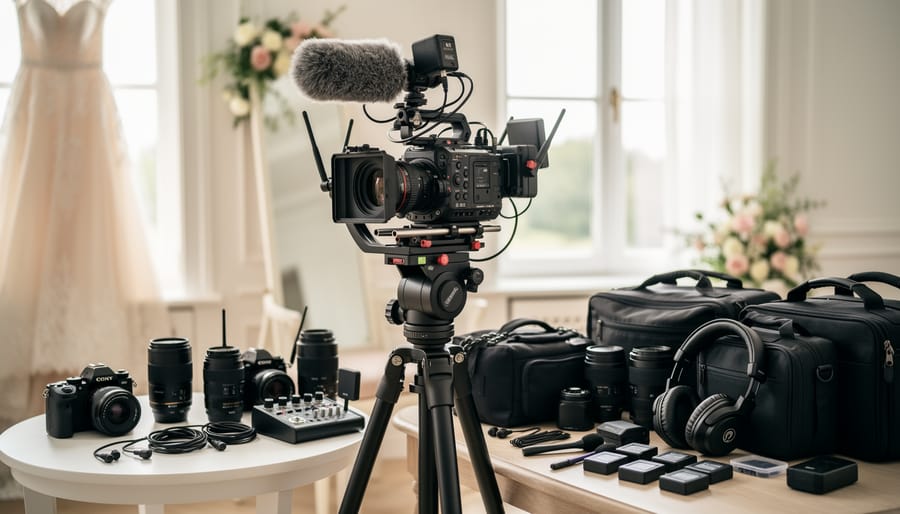
Your camera is the storyteller’s eye, but it’s the supporting cast of equipment that transforms moments into cinema. Professional wedding videography demands gear that captures emotion in any lighting, records crystal-clear vows during outdoor ceremonies, and stays steady through teary first looks and energetic dance floors.
Start with a reliable camera body capable of shooting in low light, receptions often happen in dimly lit ballrooms where you can’t control the environment. Pair it with versatile lenses: a fast 24-70mm for general coverage, a 70-200mm to capture intimate reactions from a distance during the ceremony, and a wide-angle lens for sweeping venue shots and tight getting-ready spaces. Each lens serves your story differently, the telephoto brings you close to a father’s proud tears without intruding, while the wide angle sets the scene.
Stabilization equipment matters more than you’d think. A gimbal keeps your footage smooth while following a couple through their first dance or walking down a garden path during portraits. Handheld cameras create shaky, amateur-looking films that distract from the emotion you’re trying to preserve.
Essential equipment checklist:
– Primary camera body (plus fully charged backup body)
– 24-70mm and 70-200mm lenses minimum
– Gimbal or stabilizer for movement shots
– Wireless lavalier mics for groom and officiant
– Shotgun mic for ambient ceremony audio
– LED light panels for indoor detail shots
– Extra batteries for everything (at least three sets)
– High-capacity memory cards (multiple 128GB or larger)
– External audio recorder as backup
Audio equipment deserves special attention because you only get one chance to record those vows. Wireless lavalier microphones on the groom and officiant capture clear audio even in outdoor venues where wind and distance challenge sound quality. Always run a backup recorder, equipment fails at the worst moments, and couples can’t repeat their ceremony for a retake.
Pack smart for twelve-hour days. Organize gear in a backpack or rolling case with quick access to batteries and cards. You’ll swap equipment frequently as you move from soft morning light in a hotel room to dramatic evening reception lighting.
Safety Precautions and Professional Boundaries
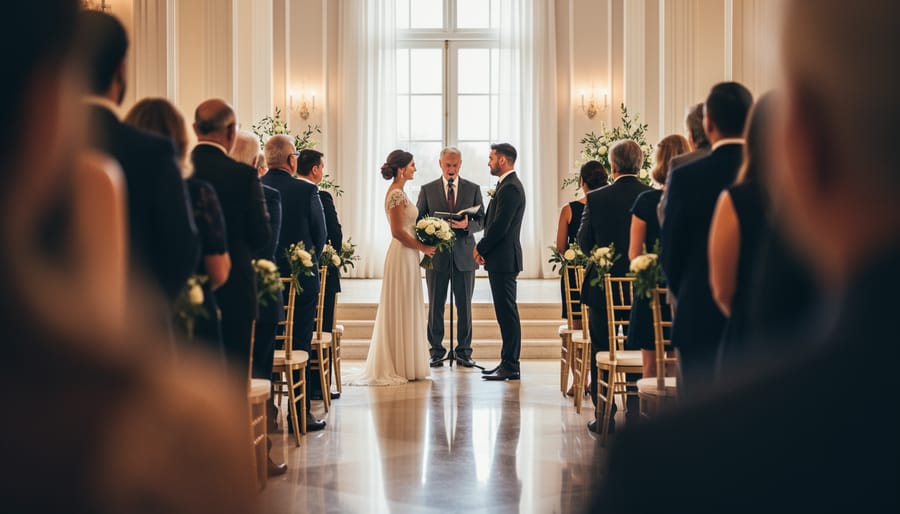
Weddings are high-stakes events where your equipment is exposed to challenging environments and you’re working around hundreds of moving people. A single misstep can damage thousands of dollars in gear or, worse, disrupt an irreplaceable moment.
Start by assessing each location’s risks before you unpack. Outdoor ceremonies mean preparing for sudden weather changes, keep rain covers accessible and know where you’ll shelter if clouds open up. Beach or waterfront venues pose splash risks; keep gear elevated and away from the tide line. Inside, crowded dance floors are equipment danger zones where a bumped tripod or flying elbow can send a camera crashing. Position yourself on the periphery with your back to a wall when possible, and never leave gear unattended on the floor.
Respect ceremony protocols by checking with the officiant beforehand about movement restrictions. Some religious venues prohibit videographers from entering certain areas or moving during vows. When in doubt, stay stationary and use your zoom. Coordinate with the photographer before the day begins to establish who covers which angles, you’re teammates, not competitors. A quick conversation prevents you from blocking their shots during critical moments like the first kiss.
Maintain professional boundaries with guests. You’re there to document, not socialize. Politely decline drinks, keep interactions brief, and redirect personal questions until after your work is done. If a guest obstructs your shot, a gentle smile and repositioning works better than confrontation.
Always pack backup batteries, memory cards, and if possible, a second camera body. Equipment fails without warning, and weddings don’t pause for technical difficulties. Test everything that morning, and keep your backup plan within arm’s reach throughout the day.
Pre-Ceremony Preparation: Setting Up for Success
Arriving at the venue at least an hour before guests, ideally two hours, gives you time to transform from visitor to storyteller. This pre-ceremony window is when you lay the foundation for everything that follows, ensuring you’re ready to capture magic rather than scrambling to solve problems.
Start by introducing yourself to the venue coordinator, photographer, and wedding planner. A quick conversation establishes who’s filming what angles during the ceremony and prevents awkward overlaps or blocking. Ask about timing changes, any ceremony restrictions (some venues prohibit movement during vows), and where you’re allowed to position equipment.
Next, walk the ceremony space with your camera. Identify three to five angles that will give you coverage: a wide shot from the back capturing the full scene, a side angle for profile reactions, and closer positions for detail and emotion. Look for natural light sources and note any harsh shadows or backlit situations you’ll need to expose for. If the couple chose one of those stunning destination location ideas with unique architecture or outdoor settings, scout how the light will change as the ceremony progresses.
- Arrive 90-120 minutes before ceremony start time
- Check in with venue coordinator, photographer, and planner to confirm timing and restrictions
- Walk the ceremony space and identify your primary filming angles
- Test audio by speaking into your microphones from where vows will be exchanged
- Set up stationary cameras on tripods in your chosen positions
- Place wireless mics on the officiant and groom (coordinate timing with getting-ready schedule)
- Do a final technical check of all equipment 15 minutes before guests arrive
Audio testing is critical. Have someone stand at the altar and speak while you monitor levels from your recording positions. Venues like those covered in Sugar Beach venue tips may have ocean wind or ambient noise that requires adjustment. Always run a backup audio recorder.
Before guests arrive, confirm the couple’s must-have shot list one final time. Maybe they want Grandma’s reaction during the vows or a specific angle of their first kiss. Knowing these priorities means you won’t miss what matters most to them.
Capturing the Getting-Ready Moments
The getting-ready portion of your wedding day offers some of the most genuine, emotion-filled footage you’ll capture. These quiet moments before the ceremony are intimate and unhurried, giving you space to film authentic interactions without the pressure of strict timelines.
Position yourself near windows whenever possible. Natural light streaming through sheer curtains creates that soft, romantic glow that elevates preparation scenes from snapshots to cinematic moments. Avoid overhead fluorescents, they cast unflattering shadows and create a harsh, clinical feel that clashes with the tenderness you’re trying to capture.
Stay quiet and observant rather than directing every moment. The best reactions happen when people forget the camera exists. Film the mother fastening her daughter’s necklace, bridesmaids laughing over champagne, the gentle adjustment of a veil. These candid interactions tell the real story of your morning.
Tight spaces require strategy. Hotel rooms and bridal suites get crowded fast with hair stylists, makeup artists, family members, and wedding parties. Position yourself in corners or doorways where you can capture wide shots, then move in close for detail work, hands buttoning a dress, the bride’s face in the mirror, rings resting on the invitation suite.
When you need someone to look a certain direction or hold still for a detail shot, ask gently and briefly. A simple “Could you pause there for just a moment?” works better than elaborate directions that break the natural flow.
Managing multiple locations means planning your route efficiently. Know drive times between the bride’s and groom’s preparation sites, and communicate clearly about when you’ll arrive at each location. You can’t be everywhere, so prioritize the moments your couple values most.
Ceremony Coverage: The Heart of the Story
Audio Excellence During Vows
Clean audio during vows is non-negotiable, it’s the emotional core of your wedding film. Start by placing a wireless lavalier mic on the groom’s lapel or tie, positioned about six inches below his chin to capture both his voice and the officiant’s. Have a second mic on the officiant as backup, especially important during ceremonies incorporating unique Canadian wedding traditions where multiple voices or readings occur. Always run a backup recorder near the ceremony space, a small handheld device on a stand captures ambient audio that can save your film if a wireless mic fails.
For outdoor ceremonies, use windscreens (dead cats) on all microphones and position backup recorders strategically out of direct wind paths. In large venues with echo, place your primary mic closer to the source rather than relying on distance audio. Test everything during rehearsal if possible, and monitor levels continuously through headphones during the ceremony. Check your recordings immediately after the ceremony concludes, you can’t go back for vows.
Capturing Authentic Emotion
Genuine emotion is what transforms wedding footage from pretty visuals into a film that makes couples cry when they watch it years later. The key is learning to read a room before the tears start flowing.
Watch for tells during the ceremony: a mother reaching for tissues in her purse, a best man clearing his throat before his speech, a bride’s lip quivering as she sees her partner at the altar. Position yourself with a clear sightline to these people before the emotional peak hits. A 70-200mm lens lets you capture intimate reactions from a respectful distance without shoving a camera in someone’s face.
During vows, resist the urge to focus solely on whoever’s speaking. The most powerful shots are often the listener’s reaction, a groom biting his lip, a father wiping his eyes in the front row, bridesmaids clutching each other’s hands.
Keep your camera rolling longer than feels natural. The moment after someone wipes away tears, when they break into a relieved smile, is pure gold. That transition from sadness to joy tells the story better than either emotion alone.
Stay fluid and ready. Laughter erupts unexpectedly during readings, grandparents share knowing looks across the aisle, and flower girls make faces that break the solemnity. These unscripted seconds are what couples treasure most.
Reception Techniques: Energy and Celebration
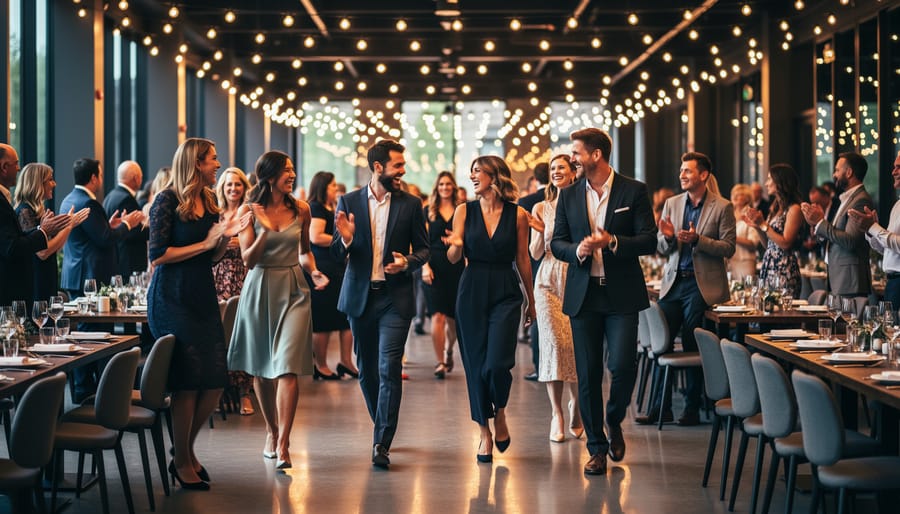
The reception is where wedding videography shifts into high gear, the formality of the ceremony gives way to pure celebration, and your job is to capture that electric energy without losing the cinematic quality you’ve maintained all day. This requires a different mindset: you’ll move more, anticipate emotional peaks, and work with challenging lighting while keeping your footage smooth and story-worthy.
Speeches are your first major emotional moment. Position yourself where you can capture both the speaker and the couple’s reactions, their laughter, tears, and surprised expressions often become the most memorable parts of the film. A second angle from behind the speaker toward the couple is ideal if you’re working with an assistant. Keep your camera steady on a monopod or gimbal, and resist the urge to zoom excessively. Let the emotion play out naturally, and hold on reaction shots longer than feels comfortable; those genuine moments are gold in the edit.
The first dance demands a blend of movement and stability. Circle the couple slowly on your gimbal, varying your height from low angles that emphasize intimacy to wider shots that show the room watching them. Modern 2026 receptions often feature choreographed elements or surprise song changes, so stay alert and ready to adjust. Parent dances carry deep emotion, capture close-ups of hands, embraces, and faces, then pull back to show family members watching from tables.
When the dance floor opens up, your approach becomes more dynamic and instinctive:
- Speeches: dual angles on speaker and couple reactions; hold steady for emotional beats
- First dance: slow gimbal circles, varied heights, watch for choreography or song changes
- Parent dances: tight shots of hands and embraces, wide shots of watching family
- Dance floor energy: handheld movement through the crowd, overhead shots, rhythmic cutting opportunities
- Low-light strategy: shoot wide open, embrace venue lighting colors, add subtle LED panel for key moments
Work the room with purposeful movement, weave through dancers, capture group energy, isolate joyful individual moments. Handheld becomes your friend here for intimate, energetic footage, but return to your gimbal periodically for smooth hero shots. The lighting in most reception venues is deliberately dim and colorful, which creates atmosphere but challenges your camera. Shoot with your aperture wide open, increase ISO as needed, and embrace the warm tones and colored uplighting rather than fighting them. A small LED panel can subtly fill faces during key dances without disrupting the mood.
Modern receptions in 2026 increasingly feature interactive elements, photo booths, live musicians mingling with guests, surprise performances, or cultural traditions woven throughout the evening. Stay observant and ready to pivot. The best reception coverage balances planned moments with spontaneous joy, always keeping movement purposeful and your eye on the story you’ll tell in the final film.
Artistic Storytelling Through B-Roll
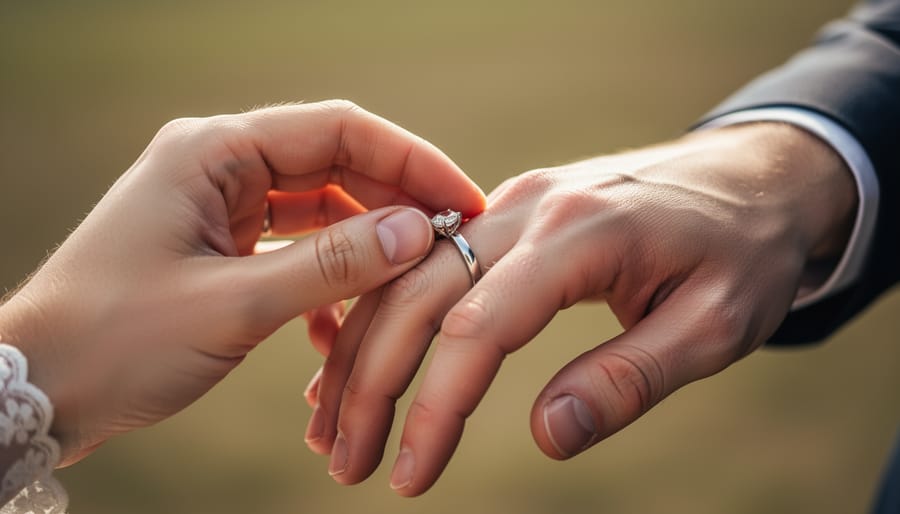
B-roll transforms a wedding film from a simple recording into a work of art. These are the detail shots that give your film texture, emotion, and visual breathing room between major moments. Think of them as the connective tissue that turns individual scenes into a cohesive love story.
Throughout the wedding day, train your eye to notice the small, beautiful details that reflect the couple’s personality and the day’s atmosphere. The bride’s hand adjusting her veil. Sunlight streaming through stained glass windows. Guests laughing during cocktail hour. A close-up of the couple’s hands intertwined during portraits. These quiet moments create powerful transitions and establish mood in ways that wide shots of events cannot.
The key is collecting b-roll opportunistically without abandoning your primary coverage. Arrive early to film décor, flowers, and venue architecture before guests arrive. During natural lulls, while the couple takes formal photos or guests mingle, capture table settings, centerpieces, and ambient details. Keep your camera ready during the reception to grab spontaneous moments: a child dancing, champagne being poured, or meaningful glances exchanged across the room.
Vary your shots intentionally. Mix macro details (wedding rings on an invitation) with environmental wide shots (the ceremony space bathed in golden hour light). Use slow, deliberate camera movements, a gentle pan across the bride’s dress or a slow push-in on flickering candles, to create cinematic rhythm. These artistic choices distinguish professional wedding films, giving editors rich material to craft visual poetry that honors the couple’s unique celebration.
Conducting Couple Interviews for Personal Touch
One of the most powerful ways to make a wedding film deeply personal is incorporating the couple’s own voices telling their story. Rather than relying solely on music and visuals, brief interview segments woven throughout the film create an intimate narrative thread that transforms your video from beautiful documentation into their unique love story.
The ideal time to conduct these interviews is during the couple’s portrait session, typically between the ceremony and reception. They’re already in an emotional, reflective mood, and you have a few quiet minutes away from the crowd. Keep it conversational and relaxed, this isn’t a formal interview, just a chance for them to share what today means to them. Position them together in flattering natural light, use a lapel mic for clean audio, and let them look at each other rather than the camera for the most genuine responses.
Ask open-ended questions that invite storytelling rather than yes-or-no answers. Focus on feelings, memories, and meaningful moments from their relationship and the wedding day itself. Listen actively and give them space to pause and think, those quiet, emotional beats often become the most powerful moments in your final edit. You’re not looking for perfectly polished responses; you want authentic emotion and their natural speaking voices.
Limit the interview to five to eight minutes so it doesn’t intrude on their portrait time. You’ll extract short sound bites during editing, so you don’t need lengthy responses. This technique adds a layer of intimacy that elevates your film from a highlight reel to a genuine love story told in their own words.
Verifying Your Coverage and Backup Strategy
Throughout the wedding day, pause between major events, after the ceremony, following speeches, once dancing begins, to quickly scan your footage. Scrub through recent clips to confirm you captured the vows, the first kiss, the ring exchange. Check audio levels by listening through headphones; you can’t fix silent vows in post-production. If something feels off or you notice a gap, you still have time to grab a complementary shot or candid moment that helps tell that part of the story.
Before you pack your gear and leave the venue, run through this final verification process:
- Review all ceremony footage to confirm audio is clear and all key moments are present
- Check that you have complete coverage of speeches, first dance, and parent dances
- Verify your memory cards aren’t corrupted by spot-checking files from each card
- Copy all footage to at least one backup drive before removing cards from cameras
- Confirm with the couple or wedding planner that no last-minute moments were added to the timeline
This checklist becomes even more critical for destination wedding cost guide scenarios where you can’t easily return, or when couples reference your choose a venue guide and select remote locations.
If you discover a gap, maybe the officiant’s mic failed or a memory card error lost files, stay calm. Pull your couple aside privately, explain what happened, and ask if they’d be willing to recreate a small moment or provide a brief interview where they recount what was said. Most couples appreciate your honesty and problem-solving rather than discovering the gap weeks later. Always have a backup card and recorder running during irreplaceable moments like vows.
Next Steps: From Raw Footage to Cinematic Film
Once you’ve captured all those magical moments, the real artistry begins. Your wedding day generates hours of raw footage that needs careful organization before a single edit happens. Start by creating a clear file structure with folders for ceremony, speeches, portraits, reception, and detail shots. Back everything up to multiple drives immediately, this footage is irreplaceable.
The editing process transforms your collection of clips into a cohesive love story. Begin by watching all your footage and marking the strongest emotional moments, best audio bites from speeches and interviews, and most beautiful cinematic shots. These become your anchors. Modern couples in 2026 typically receive both a 3-5 minute highlight film for social sharing and a 20-30 minute feature film that captures the full narrative arc of their day.
Music selection sets the entire mood. Choose tracks that complement the couple’s style and match the pacing of key moments, building energy for the dance floor, slowing down for intimate vows. The best wedding films weave together multiple story layers: the couple’s interview responses narrating their journey, ceremony audio capturing their promises, and reaction shots revealing genuine emotion from loved ones.
This is where all those techniques from lighting to audio to anticipating moments come together, creating a cinematic experience that lets couples relive not just what happened, but how it felt.
Common Questions About Wedding Videography Techniques
Couples often ask about equipment investments and whether top-tier cameras truly make the difference in their wedding film. While professional gear matters, a skilled videographer’s storytelling ability and understanding of light, composition, and emotion creates far more impact than the camera brand alone. Most professionals shoot with full-frame mirrorless cameras and a versatile lens range, typically a 24-70mm workhorse, a fast 50mm or 85mm for portraits, and a wide angle for ceremony coverage.
How do videographers coordinate with photographers without getting in each other’s shots?
Professional videographers and photographers communicate before the ceremony to plan positioning, especially for key moments like the first kiss and walking down the aisle. We often shoot from different angles, videographers might position further back with a longer lens while photographers work closer.
What’s the best way to handle difficult lighting at reception venues?
Skilled videographers bring portable LED lights that attach to cameras or stand discreetly in corners, matching the venue’s color temperature to keep footage natural. We also adjust camera settings throughout the evening as lighting changes from dinner to dance floor.
Are drone shots worth adding to our wedding film?
Drone footage creates stunning establishing shots of your venue and sweeping aerials during portraits, especially for outdoor or estate weddings. Just confirm your venue permits drone use and that your videographer has proper licensing and insurance.
How long does it typically take to receive our finished wedding film?
Most videographers deliver highlight films within 8-12 weeks and full ceremony edits within 12-16 weeks. The editing process, selecting the best clips, color grading, syncing audio, and crafting the narrative, requires significant time to create a polished, cinematic result.
What are same-day edits and should we request one?
Same-day edits are short highlight reels screened at your reception, created from footage shot earlier that day. They’re exciting but require an editor working offsite during your celebration, which adds cost and means your videographer might miss some moments while offloading files.
Aspiring videographers frequently wonder when to arrive at a wedding venue. Plan to be there at least 90 minutes before the ceremony starts, giving you time to scout locations, test audio in the ceremony space, capture getting-ready moments, and coordinate final details with the couple and other vendors. This buffer also accounts for unexpected delays, traffic, parking challenges, or last-minute venue changes, that could otherwise create unnecessary stress on an already demanding day.
Mastering wedding videography techniques is what separates a simple recording from a cinematic love story you’ll treasure forever. Every element we’ve covered, from the intentional gear choices and strategic positioning during your ceremony to the artistic b-roll that captures fleeting details, works together to transform your wedding day into a film that feels authentic, emotional, and beautifully crafted.
The difference lies in the approach. A skilled videographer doesn’t just document what happens. They anticipate moments, understand lighting and composition, capture genuine emotion, and weave all those elements into a narrative that reflects your unique story. They know when to be invisible during your vows and when to guide you gently during portraits. They collect the small details that might otherwise be forgotten and create a film that brings you right back to how everything felt.
If you’re planning your wedding, look for a videographer who embraces these artistic techniques and storytelling principles. Your wedding film should be as personal and memorable as your celebration itself.
I’d love to create something beautiful for your big day. Explore my personalized wedding videography packages and let’s talk about how we can capture your love story in a way that’s uniquely yours.