
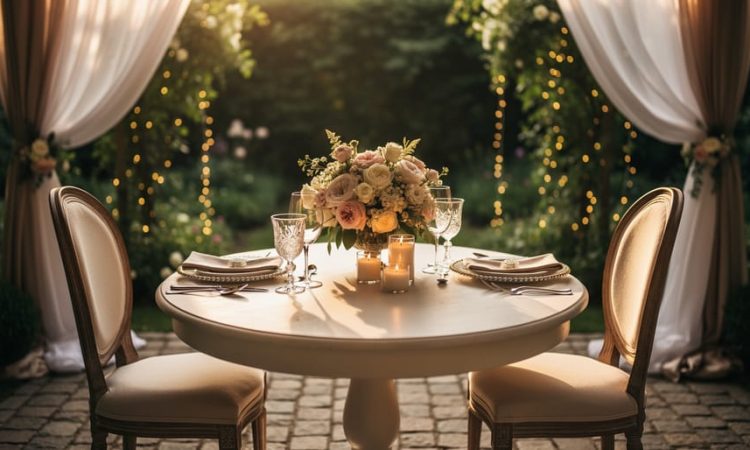
Small wedding venues transform intimate celebrations into unforgettable experiences by offering personalized service, flexible layouts, and pricing scaled to guest counts under 130. Unlike traditional banquet halls built for large-scale events, these spaces are designed to feel warm and curated rather than cavernous, giving your 40 or 80 guests the cozy, cinematic atmosphere that makes every moment feel intentional.
The shift toward intimate weddings has sparked a venue renaissance. Boutique hotels like OPUS Vancouver in Yaletown now dedicate their 2,260 square feet of event space specifically to elopements and cocktail-style gatherings, while garden venues such as The Garden Room cap capacity at 100 guests to preserve their intimate ambiance. Even destination favorites like Hyatt Ziva Cancun recognize the demand, offering a 65-guest oceanfront cliff gazebo alongside their larger ballrooms.
Choosing the right venue requires understanding how small-wedding pricing works. You’ll encounter per-person packages (Spencer’s ranges from $200 to $245 per guest) and venue buyouts that include exclusive use. Capacity sweet spots matter too. Venues like Humble Beginnings accommodate up to 130 guests, but booking a 130-capacity space for 40 people creates the opposite of intimacy.
This guide walks you through the decision framework: identifying which venue types suit your vision, decoding what’s actually included in quotes, asking the questions that reveal hidden costs, and avoiding the common mistakes that turn dream venues into regret. You’ll leave knowing exactly how to evaluate spaces, compare options, and book with confidence.
What Makes a Venue Perfect for Small Weddings
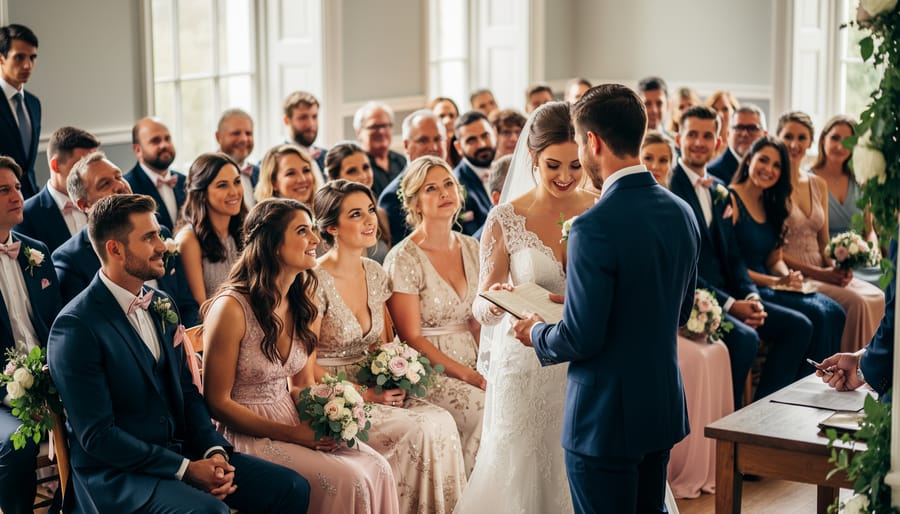
Finding a venue that truly works for a small wedding isn’t about settling for a corner of a ballroom or hoping empty chairs won’t be noticeable. The right space amplifies the intimacy you’re creating rather than fighting against it.
Traditional large venues, those designed for 200-plus guests, rarely adapt well to smaller celebrations. A room built for 300 feels cavernous with 80 people scattered across it, no matter how the tables are arranged. The atmosphere you’re trying to create dissolves into awkward echoes and visible empty space. You want your guests to feel they’re part of something special, not that half the invitations got lost.
The ideal small wedding venue is purpose-built or naturally scaled for your guest count. Spaces like The Garden Room, which accommodates up to 100 guests, or Hyatt Ziva Cancun’s intimate oceanfront cliff gazebo (designed for 65) create the kind of cozy, connected atmosphere that makes small weddings memorable. When the room fits the gathering, conversations flow naturally, the energy builds, and every moment feels personal.
Flexibility in guest count matters more than you might expect. Your vision might start at 50 guests and grow to 85 as you finalize your list. A venue that works for 65 to 130 guests, like Humble Beginnings, gives you breathing room to adjust without forcing you to lock in exact numbers months in advance or pay for minimums you won’t meet.
Pricing structure shapes your entire budget. Per-person packages, such as Spencer’s $200 to $245 rates, bundle food, beverage, and often décor into one predictable cost. Flat rental fees give you more vendor flexibility but require careful accounting of every separate service. Neither approach is inherently better, but understanding which model you’re comparing prevents sticker shock when you total everything up.
When you visit potential venues, evaluate these essential factors:
- Does the main space feel intimate with your expected guest count, or will you need dividers and creative layouts to avoid empty corners?
- Can the venue accommodate a range of 20 to 30 guests above or below your estimate without charging for unused capacity?
- What’s actually included in the quoted price, just the space, or tables, chairs, catering, bar service, and coordination?
- Does the location enhance your celebration (a garden setting, a vibrant neighborhood like Vancouver’s Yaletown) or just provide a blank room?
- Are there vendor restrictions that limit your ability to bring in your own photographer, videographer, or florist?
The venue you choose sets the entire tone of your day. Prioritize spaces designed to make 50 to 130 guests feel like the perfect number, not a compromise.
Types of Small Wedding Venues to Consider
Boutique Hotels and Urban Spaces
Boutique hotels solve two of the biggest challenges small wedding couples face: finding a venue that feels intimate rather than empty, and simplifying logistics for out-of-town guests. Properties like OPUS Vancouver exemplify this approach, offering five distinct event spaces across 2,260 square feet, each designed for different-sized gatherings rather than one cavernous ballroom. Located at 322 Davie Street in Yaletown, OPUS provides the neighborhood charm urban couples want, with cobblestone streets and waterfront views steps away.
The real advantage is how everything connects under one roof. Your ceremony, reception, and 96 guest rooms exist in the same building, meaning your grandmother doesn’t navigate unfamiliar streets between venues and your bridal party gathers in one place. Guest room blocks eliminate the scattered hotel coordination that plagues traditional weddings, while multiple event spaces let you shift between an intimate ceremony for 40 and a cocktail reception for 80 without changing properties.
City accessibility matters more for small weddings than large ones. When you’re inviting fewer people, a higher percentage typically travels from elsewhere, making downtown locations with transit access and walkable restaurants genuinely valuable rather than just convenient.
Garden Rooms and Natural Settings
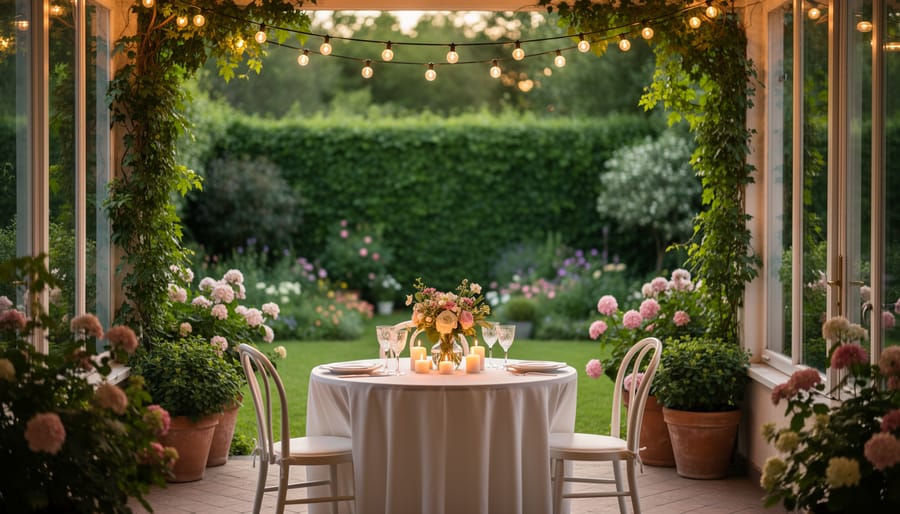
Garden venues strike a balance between natural beauty and practical shelter, a combination that works especially well for celebrations under 100 guests. Spaces like The Garden Room exemplify this category, offering curated outdoor settings that feel private and romantic without requiring you to rent an entire estate or coordinate a complex tent setup.
The defining feature of these venues is their designed flexibility. Most include both an outdoor ceremony space surrounded by greenery and an adjacent indoor reception area with garden views, letting you move seamlessly between settings as the day unfolds. This matters more than couples initially realize: even in summer, evening temperatures drop, and guests appreciate the option to move inside without feeling like they’ve left the celebration.
Seasonal timing shapes your experience significantly. Spring and early fall deliver the best conditions in most Canadian climates, blooming gardens in May and June, rich autumn colours in September. Summer brings longer daylight but also heat and occasional rain, while winter garden venues rely heavily on their indoor spaces and heated elements.
Capacity at garden venues typically ranges from 50 to 100 guests, hitting the sweet spot for small weddings. The intimate scale means you’re not fighting to fill a large lawn, and the natural surroundings create atmosphere without elaborate decoration. Visit during a similar setup to see how the space transitions from ceremony to reception and whether the indoor area genuinely complements the outdoor experience rather than feeling like a backup plan.
Restaurant and Private Dining Venues
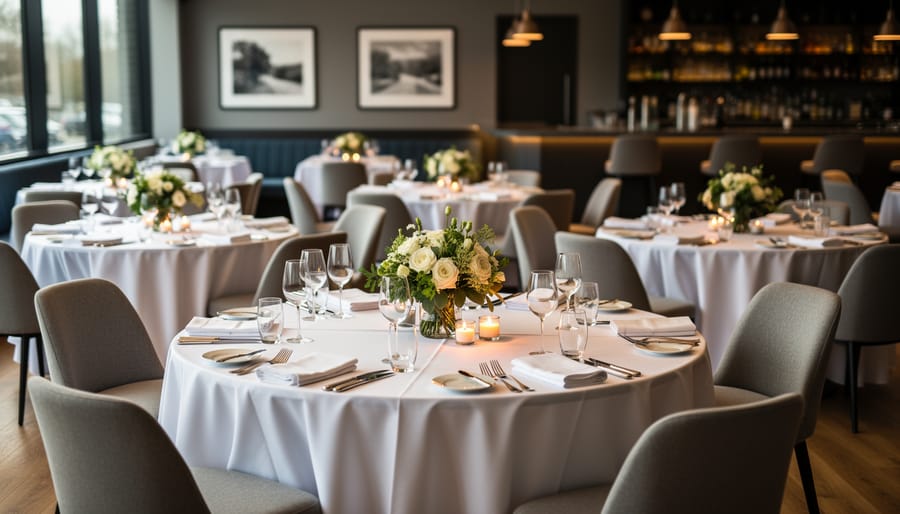
Restaurant venues bring a culinary-first approach to small weddings, where the dining experience takes center stage alongside the celebration. Venues like Humble Beginnings accommodate up to 130 guests in spaces designed for intimate gatherings, while Spencer’s offers tiered per-person packages at $200, $215, and $245 that typically bundle ceremony space, reception dining, bar service, and coordination.
The advantage here is simplicity: you’re working with a team that already excels at hospitality and service flow. Most restaurant venues provide tables, chairs, linens, glassware, and experienced staff as part of their packages, eliminating the need to coordinate multiple rentals. The atmosphere feels warm and authentic rather than formal, with established kitchens ensuring your guests experience restaurant-quality cuisine instead of standard banquet fare.
Consider whether the restaurant’s existing aesthetic matches your vision, exposed brick and industrial charm versus garden-view dining rooms create very different moods. Ask about buyout options for full privacy, whether you can bring in outside desserts or favors, and how the space transitions from ceremony to reception if you’re planning both events on-site.
Destination Resort Venues

Destination resorts solve a unique challenge for small weddings: they bring your entire celebration, ceremony, reception, and guest accommodations, under one roof while offering multiple venue choices that scale to intimate gatherings. Hyatt Ziva Cancun exemplifies this approach with six distinct wedding venues ranging from an intimate 65-guest oceanfront cliff gazebo to a 500-guest indoor Elements Ballroom, letting you match the space precisely to your guest count. The smaller venue options create that cozy atmosphere couples want without paying for unused ballroom capacity.
The real advantage goes beyond venue flexibility. When you choose a resort for your small wedding, guests stay where they celebrate, eliminating transportation logistics and extending the experience into a multi-day gathering. You’ll find built-in coordination between venue, catering, and accommodations that simplifies planning from a distance. For couples drawn to destination location ideas resorts deliver turnkey packages that handle most logistics while giving you options to customize ceremony and reception setups for your specific guest count, whether that’s 65 or 130 people.
Understanding Capacity and Guest Count
Getting your guest count right isn’t just about making a list, it’s about matching the number of people you truly want to celebrate with to a space where they’ll feel connected, not scattered.
Start by being honest about your must-invite list. Small weddings typically fall between 30 and 130 guests, but the sweet spot for most intimate celebrations sits around 65 to 100 people. This range is large enough to include close family and your inner circle of friends, yet small enough that you can have meaningful conversations with everyone during your reception. If your preliminary list pushes past 130, you’re moving into mid-sized wedding territory and should reconsider venues designed for larger gatherings.
Once you’ve settled on a number, look for venues where your guest count fills 60-80% of the maximum capacity. A space designed for 100 guests works beautifully when you invite 70; it feels intimate and full without being cramped. The same 70 guests in a 200-capacity ballroom will feel lost, with empty tables and awkward gaps that undermine the closeness you’re trying to create. Conversely, cramming 100 guests into a venue comfortably suited for 65 creates tight quarters and limits flow.
Pay attention to how venues describe their capacity. Some list maximum capacity for cocktail-style events, which is higher than seated dinner capacity. When evaluating The Garden Room’s 100-guest capacity or Hyatt Ziva Cancun’s intimate 65-guest cliff gazebo, confirm whether those numbers reflect your planned setup. A venue that seats 130 for dinner, like Humble Beginnings, might accommodate 150 for a cocktail reception.
The wrong-sized space changes your entire wedding atmosphere. Choose venues where your guest count is the norm, not the exception, and you’ll create exactly the intimate celebration you’re imagining.
Decoding Venue Pricing for Small Weddings
Understanding how small wedding venues price their services is essential before you start comparing options. Most venues use one of two pricing models, and each affects your total budget differently.
Per-person packages bundle most of your wedding essentials into a single price multiplied by your guest count. Spencer’s $200-$245 per person packages represent this model, the rate typically covers food, beverage service, basic table settings, and sometimes coordinated setup. With a 75-guest celebration, you’re looking at $15,000-$18,375 just for the venue package before adding extras like upgraded décor or extended bar service. This approach works well for culinary-focused celebrations because everything food-related is included, but watch for hidden costs like cake cutting fees, premium bar selections, or overtime charges.
Flat rental fees separate the venue space from catering and services. You’ll pay a ceremony fee (often $500-$2,000), a reception space rental (typically $2,000-$5,000 for intimate venues), and then work with caterers separately. This model offers more flexibility in choosing vendors and controlling food costs, but requires careful math to compare against all-inclusive packages. A venue with a $3,500 rental fee might seem cheaper than a $200 per-person package until you add catering at $125 per person, bringing your 75-guest total to $12,875, still less, but requiring more coordination.
The real difference becomes clearer when you calculate your full destination wedding cost or local celebration budget. Before committing to either pricing structure, ask these critical questions:
- What deposits are required, and when are they due?
- What’s your cancellation and refund policy at 12, 6, and 3 months out?
- Exactly what’s included in the quoted price, tables, chairs, linens, setup, breakdown?
- What are the mandatory add-on fees (service charges, gratuities, taxes)?
- Are there vendor fees if we bring our own photographer or videographer?
- What triggers overtime charges, and what’s the hourly rate?
Many couples discover that a slightly higher base price actually costs less overall when it includes elements they’d otherwise pay for separately. Compare the true bottom line, not just the headline rate. Request itemized quotes from each venue showing every included service and potential extra charge, then build a spreadsheet tracking total cost at your specific guest count. This approach reveals which pricing model genuinely offers better value for your intimate celebration.
How We Ranked Small Wedding Venues
We built our ranking system around what actually matters when you’re planning an intimate celebration, not what works for a 200-guest affair. Each venue earned its place by excelling in criteria specific to small weddings, so you’re comparing spaces designed for your guest count.
Capacity flexibility topped our list. We prioritized venues comfortable with 65 to 130 guests, small enough to feel intimate but flexible enough to accommodate your final headcount without penalties. Spaces that work beautifully for both an 80-person garden ceremony and a 115-person reception scored highest because they adapt to your vision rather than forcing you into theirs.
Value for intimate guest counts came next. We examined whether pricing structures make sense at smaller numbers, comparing per-person packages against flat rental fees. A venue charging $245 per person for 90 guests delivers better value than one with a $15,000 minimum that assumes 150 attendees. We also considered what’s included, venues bundling ceremony space, coordination, and core services ranked above those charging separately for everything.
Atmosphere and ambiance received heavy weight. Does the space feel cozy with your guest count, or will 80 people rattle around a ballroom built for 300? We looked for venues that create warmth and connection at intimate scales, from garden rooms to boutique hotel spaces that embrace smaller celebrations.
Location accessibility mattered too. Urban venues near accommodations and transport scored well, as did destination properties that simplify logistics. We referenced resources like our Sugar Beach planning guide and insights from covering various estate wedding venue celebrations to understand how location shapes the entire experience.
Finally, we assessed how well each venue serves 2026 couples planning smaller, more intentional celebrations, favoring those that treat intimate weddings as their specialty, not an afterthought.
Top Venue Recommendations by Wedding Style
Choosing a venue that aligns with your wedding vision makes everything else fall into place. The best small wedding venues understand that intimate celebrations need spaces purpose-built for their scale, not massive ballrooms with a corner sectioned off. Here’s how the top options match different wedding styles and what couples prioritize most.
For Urban Sophistication
Couples drawn to city energy and architectural character should consider OPUS Vancouver, set at 322 Davie Street in Yaletown. This boutique hotel venue delivers five distinct event spaces across 2,260 square feet, giving you flexibility to design an intimate celebration that fits your vision. The built-in guest room blocks solve accommodation logistics while the neighborhood’s walkable dining and nightlife keeps your celebration extending beyond the reception. Urban venues like this work especially well when you want your wedding to feel like a curated experience rather than a traditional hotel ballroom event.
For Natural Garden Settings
The Garden Room provides an intimate outdoor backdrop for up to 100 guests, ideal for couples who want nature as their focal point without sacrificing structure. Garden venues offer the best of both worlds, natural beauty with enough infrastructure to handle weather contingencies and guest comfort. Look for properties that can transition seamlessly between ceremony and reception spaces without your guests needing to leave the grounds.
For Culinary-Focused Celebrations
When food becomes the centerpiece of your celebration, restaurant venues like Spencer’s and Humble Beginnings reshape the entire experience. Spencer’s packages range from $200 to $245 per person with culinary expertise built into every element, while Humble Beginnings accommodates up to 130 guests in a setting designed around the dining experience. These venues work best for couples who view their wedding as an opportunity to share an exceptional meal with their closest people, where the chef’s creativity matters as much as the floral arrangements.
For Destination Celebrations
- Hyatt Ziva Cancun offers six wedding venues from an intimate 65-guest oceanfront cliff gazebo to larger ballroom options, all within one resort property
- Multiple venue choices within the same property let you design different experiences for welcome dinners, ceremonies, and receptions without coordinating separate locations
- All-inclusive resort structures simplify planning for destination small weddings where guests travel specifically for your celebration
The venue type that serves you best depends less on aesthetics and more on how you want your guests to experience your day. Urban sophistication creates a polished, cosmopolitan atmosphere. Garden settings ground your celebration in natural beauty. Culinary venues make the meal the memory. Destination resorts consolidate the entire weekend into one immersive experience. Match the venue’s strength to what you want people to remember most about your wedding.
Common Mistakes to Avoid When Booking
The most expensive mistake couples make is choosing a venue designed for 200-plus celebrations when they’re planning a 75-person wedding. These spaces rarely scale down gracefully, you’ll pay premium rental fees meant to justify large capacities, and your intimate gathering will feel lost in a cavernous ballroom no matter how you arrange the seating. Venues like The Garden Room that cap capacity at 100 guests create the warm atmosphere you want because they were built for intimate celebrations from the start.
Another common pitfall is not asking about minimum guest counts during initial inquiries. Some venues that accommodate small weddings still require minimums of 80 or 100 guests to book weekend dates, which can force you to either invite more people than you want or pay for guests who won’t attend. Confirm these requirements upfront, especially if your list hovers around 65-75 people.
Couples also overlook what’s actually included in quoted prices. When you see Spencer’s packages listed at $200 per person, that typically covers ceremony, reception, food, beverage, and coordination, but always verify the specifics. Other venues might quote a $3,000 rental fee that sounds reasonable until you realize catering, furniture, and coordination all cost extra. Get itemized breakdowns before comparing, and understand which vendors you’re required to use versus which you can bring in independently.
Booking without understanding cancellation policies creates unnecessary risk, particularly for destination venues. The flexibility you need for a 2026 wedding differs from what made sense pre-pandemic, so review refund terms and postponement options carefully. Similarly, visiting a venue when it’s empty doesn’t show you how it functions during an actual event. Ask to see the space during a wedding setup for your guest count, or request photos from recent celebrations of similar size, this reveals whether the venue truly works for intimate gatherings or just claims it does. These considerations matter whether you’re planning traditional Canadian wedding traditions or creating something entirely your own.
Questions to Ask Before You Book
Walking into a venue tour without a clear list of questions is like shopping without a budget, you’ll miss critical details that affect both your experience and your wallet. These essential questions cut through sales pitches and reveal what you’re actually getting.
Start with capacity boundaries. Ask about both minimum and maximum guest counts for your specific date. A venue might accommodate 130 guests maximum, but if they require a 100-guest minimum and you’re planning for 65, you’ll pay for empty seats. Confirm whether their quoted capacity includes vendors, photographers, and videographers in the total count.
Drill into what the quoted price actually covers. When you see a $215 per-person package, does that include tables, chairs, linens, glassware, and setup? Or are those add-ons that push your real cost to $275 per person? Ask for an itemized list of inclusions and exclusions in writing. For flat rental fees, confirm whether ceremony and reception spaces are priced separately or together.
What timing questions should I ask about setup and breakdown?
Confirm how many hours you have access to the space, when vendors can arrive for setup, and whether overtime fees apply if your celebration runs long. Some venues include a full day, while others charge hourly after a four-hour window.
How do I know if a venue restricts my vendors?
Ask directly whether you must use their preferred vendor list or if you can bring your own videographer, photographer, caterer, and DJ. Exclusive vendor requirements can limit your creative vision and inflate costs.
What backup plans exist for outdoor venues?
Request specifics about indoor alternatives if weather doesn’t cooperate, not just “we’ll figure something out.” Ask to see photos of the backup space set up for a wedding your size.
Clarify how the space adapts to your guest count. Can they configure the room to feel intimate for 75 people, or will you be lost in a ballroom designed for 200? Ask to see photos of setups similar to your guest count, not just the venue at maximum capacity. Request details about ceremony-to-reception transitions, do guests wait outside while staff flips the room, or is there a separate cocktail space?
Finally, nail down the booking terms before you fall in love with the space. What’s the deposit amount and cancellation policy? How far in advance must you provide final guest counts? Understanding these practical details protects you from surprises and ensures the venue truly fits your intimate celebration vision.
Main Options Compared
When comparing your main venue options for a small wedding, the choice typically comes down to four distinct paths, each creating a different experience for your intimate celebration.
Boutique hotels like OPUS Vancouver combine event spaces with built-in guest accommodations across their 96 rooms, making them ideal when most guests are traveling. You get multiple intimate spaces within one property and eliminate transportation logistics between ceremony and reception.
Garden and natural venues such as The Garden Room offer romantic outdoor settings for up to 100 guests, perfect when you want nature as your backdrop. These spaces photograph beautifully and work well with environmental portrait tips that incorporate your surroundings into your wedding story.
Restaurant venues like Spencer’s provide culinary-focused celebrations with per-person packages ($200-$245) that bundle food, beverage, and service. Choose this path when the dining experience is central to your vision and you want a turnkey package.
Destination resorts such as Hyatt Ziva Cancun deliver multiple venue choices, from intimate 65-guest cliff gazebos to slightly larger ballrooms, all within one property, ideal for multi-day celebrations where guests become part of a shared experience.
The right choice depends on whether you prioritize convenience, atmosphere, cuisine, or creating a destination experience for your closest circle.
Choosing the right venue transforms a small wedding from simply scaled-down to genuinely intimate. When you prioritize spaces designed for your guest count, whether that’s 65 friends gathered at an oceanfront gazebo or 130 loved ones in a boutique hotel’s event space, you create an atmosphere where every conversation feels close, every moment feels personal, and no one gets lost in a cavernous ballroom built for hundreds.
The venues that work best for small weddings understand this distinction. They’ve designed their spaces, their pricing, and their service around creating warmth rather than filling square footage. They make your celebration feel intentional, not diminished.
As you visit venues and imagine your day unfolding in each space, trust the feeling you get when you walk in. Does it embrace your guest count or dwarf it? Can you picture your story unfolding naturally here? And once you’ve found that perfect intimate setting, make sure you capture every fleeting glance, every heartfelt toast, and every quiet in-between moment with cinematic videography that tells your unique story exactly as it deserves to be told.